
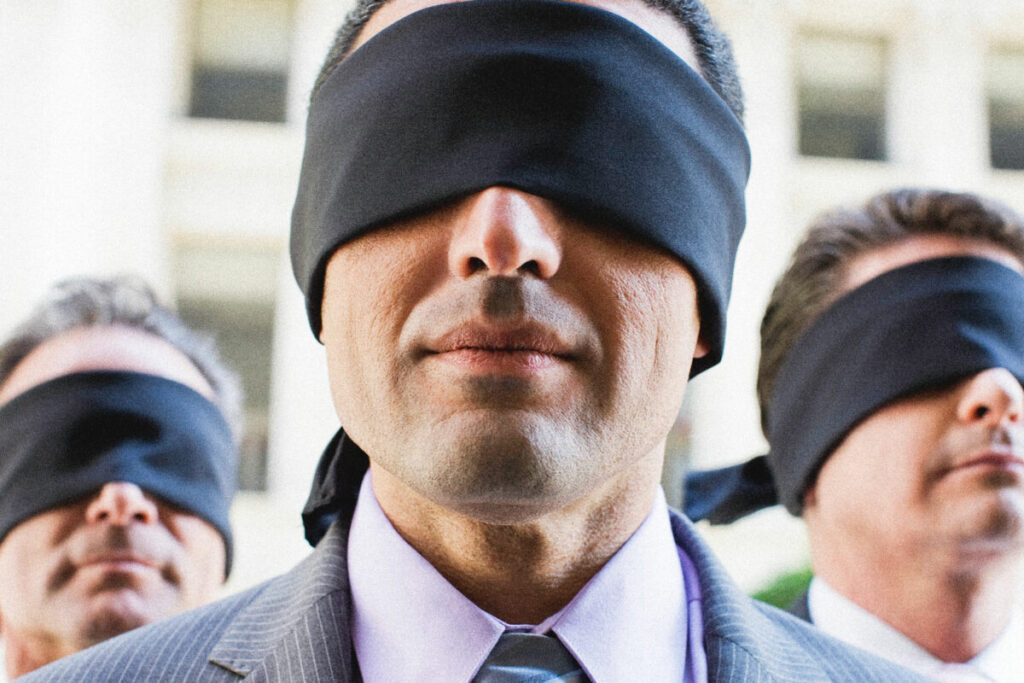
Every leader has blind spots. The problem isn’t having them. The problem is their impact.
Blind spots are behaviors or attitudes that influence decisions without your awareness. At the executive level, they quietly shape strategy, culture, and risk tolerance.
How Blind Spots Develop
Blind spots often come from past success. Strategies that worked earlier in a career become default responses. Over time, leaders stop questioning them.
Other common sources include:
-
Stress and cognitive overload
-
Confirmation bias
-
Overconfidence from authority
-
Lack of honest feedback
The more pressure a leader faces, the more these blind spots surface.
Real-World Example
An executive team repeatedly dismisses frontline concerns as “resistance.” They believe the strategy is sound and execution is the issue. In reality, employees see operational risks leadership can’t.
The blind spot isn’t intelligence. It’s emotional distance.
The Cost of Blind Spots
Unchecked blind spots lead to:
-
Poor strategic decisions
-
Missed warning signs
-
Talent loss
-
Cultural erosion
They also reduce adaptability, which is critical in volatile environments.
How Emotionally Intelligent Leaders Reduce Blind Spots
1. Build dissent into decisions
Invite opposing views deliberately. Assign someone to challenge assumptions.
2. Watch emotional reactions
Strong emotional responses to feedback often indicate a blind spot.
3. Diversify input sources
Relying only on senior voices narrows perspective.
4. Reflect before defending
When challenged, pause before responding. Ask what might be true.
Blind spots don’t disappear. But leaders who acknowledge them make better decisions.
Related reading
- Why Self-Awareness Is the Most Underrated Leadership Skill
- Leading Through Uncertainty Without Panicking Your Organization
For support with a leadership challenge, explore executive coaching for men with Yousif Farag. Read about his background and approach.